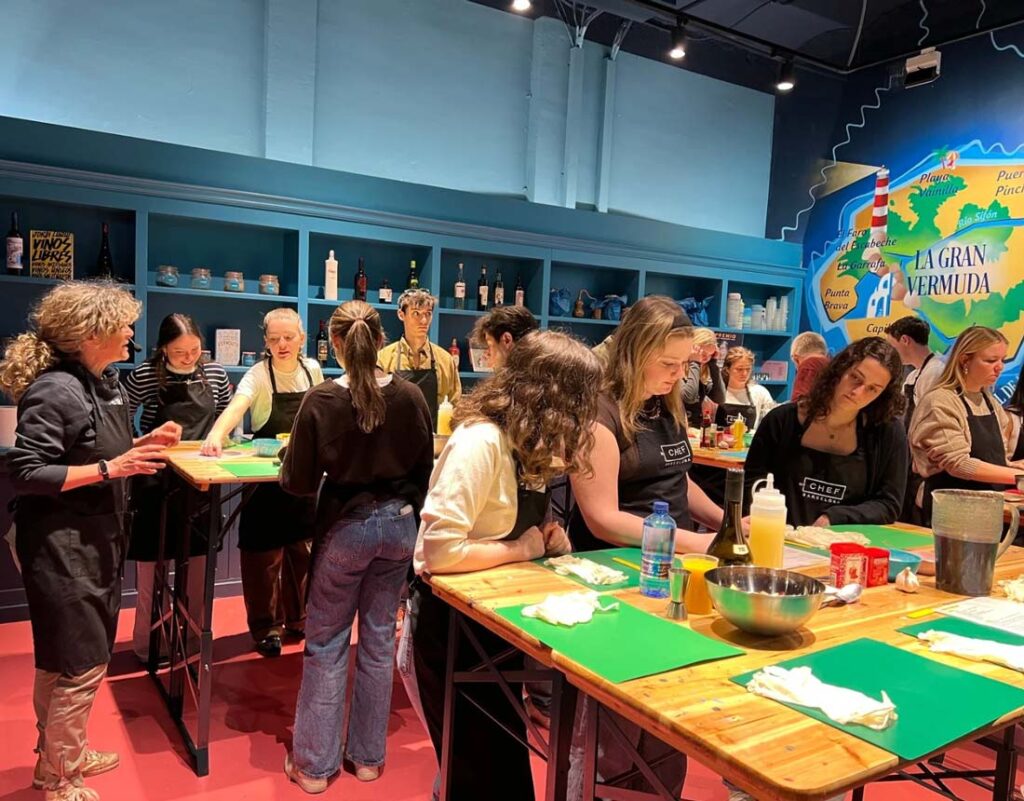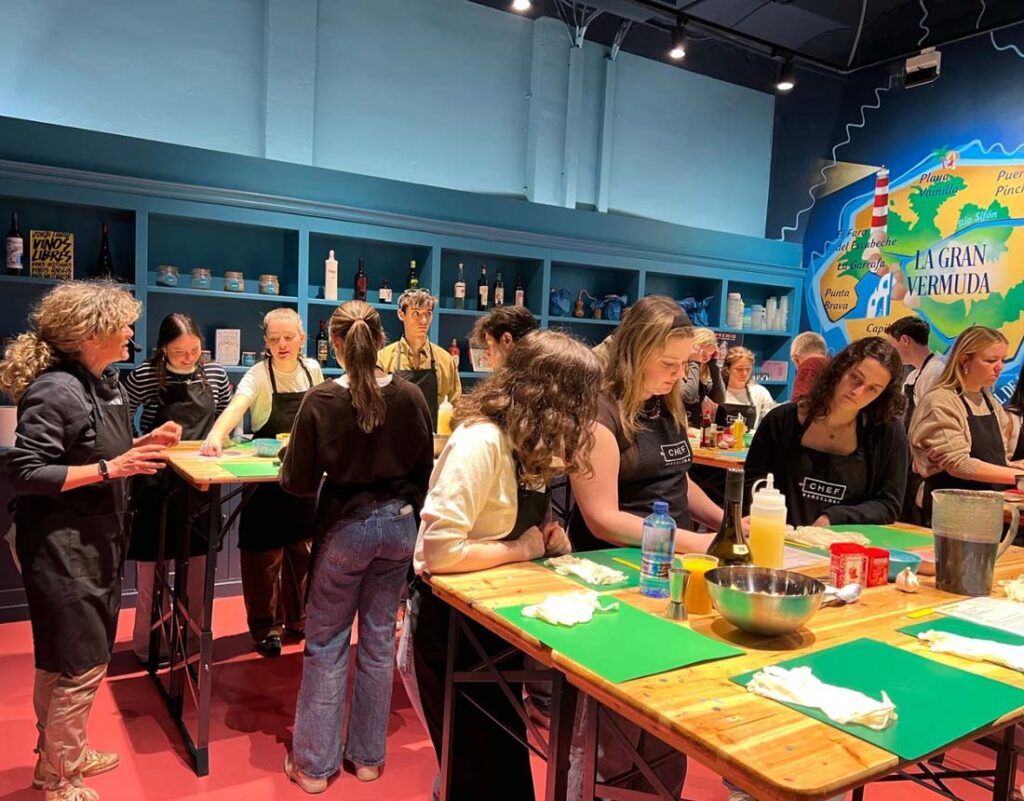
In Barcelona, cooking goes beyond fire and pans—it’s about passion, identity, and community. That’s where the magic of culinary team building comes alive. What happens when colleagues start chopping, sautéing, and tasting together? Laughter sparks, unexpected leadership emerges, trust is built, and above all, memories are created. After years of organizing corporate culinary events in Barcelona, I can assure you: teams that cook together are changed for the better.
Flavors, Culture, and Teams That Grow Together
Today, I’ll take you step by step through everything you need to know if you’re considering organizing a culinary team-building event: why it really works, what types of experiences you can find in Barcelona, how to plan for success, inspiring examples, insider tips, and answers to the most common questions. By the end, you’ll see how bringing teams together with flavor is more than a metaphor—it can truly transform your company culture.
How to Taste Change: Big Ideas Behind Culinary Team Building in Barcelona
Why Cooking Is More Than Just an Event: Tools to Grow Together
- Building genuine connections, not just working side by side. In the heat of the kitchen—with sharp knives, sizzling pans, and the inevitable slip-ups—hierarchical barriers fade. A manager and an intern might end up peeling potatoes shoulder to shoulder, creating real empathy.
- Practicing soft skills rarely used in the office. Coordination, clear communication, time management, decision-making under pressure—“What do we do with the sauce that’s burning?”—taking turns to lead, and adapting when things don’t go as planned.
- Strengthening corporate culture. Sharing local recipes, seasonal ingredients, Catalan gastronomy, and cultural influences reinforces a sense of identity. It makes people say, “I’m proud to work here.”
- Emotional memory that lasts. Culinary events stick. When someone remembers “that time we made paella,” they don’t recall the task itself—they relive the emotions, the flavors, the conversations. Those memories get linked to the company.
Types of Experiences That Work Here and Now
- Tapas and local recipes. A gentle introduction: preparing traditional tapas—from homemade croquettes to pa amb tomàquet—in professional kitchens or charming venues in the Born or historic courtyards. An authentic, very Catalan experience.
- Paella competition. Teams compete to cook the best paella. Strategy, time pressure, sauces to perfect—and in the end, laughter, friendly critique, and a collective feast. WeChef BCN specializes in this with their Paella Competition.
- International cooking. Celebrate diversity by preparing dishes from Thailand, Mexico, Japan, or creative fusions. Each team cooks a different menu, then shares—it’s not just about cooking but exploring and appreciating other cultures.
- Tastings, pairings, and storytelling. Sometimes cooking isn’t the focus. Wine, olive oil, cheese, or chocolate tastings—paired with stories of local producers and traditions—connect taste with meaning.
- Solidarity cooking. Cooking with purpose: preparing meals for soup kitchens or collaborating with NGOs. It’s not only about doing something “nice,” but about creating impact beyond the office.
How to Plan a Culinary Team Building That Leaves a Mark
Step 1: Define your goals. Do you want to integrate new members, break down silos, spark creativity, or celebrate achievements? Clarity here shapes the entire experience.
Step 2: Choose the right format, duration, and venue.
- Format: competition, collaborative workshop, showcooking, tasting.
- Duration: ideally 2–4 hours. Longer can drain energy, shorter may limit connection.
- Venue: central for accessibility, rural or seaside for disconnection and impact. Barcelona offers everything from industrial spaces to traditional masías and terraces with sea views.
Step 3: Flawless logistics.
- Know the headcount, timing, and transport needs.
- Plan for allergies and dietary requirements (vegetarian, vegan, gluten-free, halal).
- Secure professional kitchens, quality ingredients, and proper equipment.
- Have a skilled chef to guide, teach, and keep the group engaged.
Step 4: Add memorable dynamics.
- Internal competitions, symbolic prizes.
- Final presentations with creativity in focus.
- Photos or videos to watch and share afterward.
- Collective feedback to highlight lessons learned.
Step 5: Follow up after the event.
- Collect impressions: what worked, what could improve.
- Assess if your goals (better communication, collaboration) were met.
- Integrate lessons into daily work: leadership moments, problem-solving approaches.
The Extras That Make a Difference
Stories that inspire.
Recently, we worked with a design firm in the Eixample. Their teams were creative in brainstorming sessions, but not so much in the kitchen. During a tapas and wine-tasting workshop, a designer who had never led before suddenly took charge—coordinating timing, suggesting flavor combinations, and organizing the final presentation. That unexpected leadership later translated into the workplace, where she confidently spearheaded a redesign project she had once hesitated to lead.
Trends for 2025 to Keep in Mind:
- Hybrid experiences: blending in-person and digital, sharing recipes online, livestreaming showcooking for remote teams.
- Sustainable cooking: local ingredients, waste reduction, composting—eco-values are increasingly important.
- Cultural personalization: international teams request menus reflecting their countries, cultures, and inclusivity.
- Storytelling behind products: showcasing local producers and making the invisible visible.
FAQs About Culinary Team Building
How long should it last to be effective?
2–4 hours is ideal. Shorter may feel rushed; longer can drain energy and complicate logistics.
Can non-cooks participate without feeling left out?
Absolutely. Culinary team building is designed so everyone contributes—whether chopping, measuring, or plating. With good chef guidance, even beginners feel involved.
What about allergies or dietary restrictions?
Menus can be adapted for vegan, vegetarian, gluten-free, halal, and more. The key is early communication with the provider.
What types of companies benefit most?
Any team willing to engage. From creative and tech firms to consultants, service providers, and operational teams—what matters is openness to collaboration, hands-on activity, and fun.
Does it work for remote or hybrid teams?
Yes. Ingredient kits can be shipped to remote members, with live-streamed sessions combining at-home and on-site participation. Hybrid formats also include digital pre/post-sessions for sharing feedback and celebrating together.
A Flavorful Closing That Invites Action
At the end of the day, culinary team building in Barcelona isn’t just a way to disconnect—it’s a way to reconnect: with yourself, your colleagues, the local culture, flavors, and the heartbeat of a more human workplace. When a team cooks together, they build bridges of trust, creativity, and respect.
If you’re looking to organize something that truly makes a difference—with flavor, meaning, and a spark that makes everyone say, “Wow, this changed something for me”—I invite you to explore what WeChef BCN has designed for you. Check out their culinary team-building activities and their inspiring Paella Competition. Let’s talk about your goals—and together, we’ll cook up an unforgettable experience for your team.