There’s a reason Barcelona tastes different. It’s not just the olive oil or the pinch of smoked paprika—it’s the way the city makes you feel part of something. Something local, lively, and absolutely delicious. For many travelers, one of the most memorable ways to connect with the soul of Barcelona isn’t a monument or a museum—it’s a cooking class.
Taking a cooking class in Barcelona as a tourist isn’t about becoming a chef. It’s about sharing a table, stirring a paella pan together, laughing over a glass of sangría, and going home with more than just a photo—it’s going home with a recipe, a story, and maybe even new friends.
Discover Barcelona Through Its Kitchen Doors
This guide is for you if you’re curious about stepping into a Barcelona kitchen while you’re here. We’ll talk about what actually happens in these classes, how they blend learning and laughter, what kinds of dishes you’ll make (spoiler: there’s more than just paella), and why people say this was the best decision of their trip.
Whether you’re traveling solo, with friends, or in a student group, by the end of this read you’ll know exactly what kind of cooking experience suits you best—and why it’ll likely be the highlight of your time in the city.
Why Tourists Keep Falling in Love with Barcelona’s Cooking Classes
It’s Not Just Food—It’s Culture
Here’s the thing: when you learn to cook in Barcelona, you’re not just following steps. You’re learning why certain ingredients matter. Why some dishes are reserved for Sundays. Why grandma’s way still works.
Many classes start with a visit to a local market like La Boqueria or Sant Antoni. Not because it looks pretty (although it does), but because you need to feel what it means to pick fresh prawns from today’s catch or smell the earthy aroma of just-harvested mushrooms. This market visit sets the tone: you’re not here to rush. You’re here to cook like a local.
It’s a Social Thing (and a Lot of Fun)
Something magical happens when you cook with strangers. Everyone starts as a bit shy, maybe even a little unsure. But within minutes, jokes are flying, glasses are clinking, and you’re all cheering on the person flipping the tortilla.
In group sessions like those we organize for students and travelers, what begins as a class ends as a shared experience. It’s not a formal course—it’s a memory in the making.
You’ll Learn More Than Just Paella (But Yes, Also Paella)
Sure, paella gets the spotlight—and rightfully so. But Barcelona’s food culture goes deeper. Think of tapas like little edible stories: pan con tomate that reminds locals of home, patatas bravas with their secret spicy sauces, or the silky texture of crema catalana at the end of a good meal.
You might also learn how to mix the perfect sangría, or how to make romesco sauce from scratch. These aren’t just recipes. They’re little pieces of the city.
What Actually Happens in a Cooking Class? Let’s Walk Through It
Arriving: The Welcome Glass and First Laughs
You’ll likely be greeted with a cava or a homemade sangría. It breaks the ice, sets the tone, and invites you to relax. Your instructor—a local chef who’s probably taught people from every corner of the world—will introduce the menu and the vibe: collaborative, fun, and hands-on.
Optional: A Visit to the Market
Some classes offer a guided trip to the market. And trust us, it’s worth it. You’ll get to know the city from the inside out. Which fish is in season? What’s the difference between pimiento rojo and ñora? You’ll learn all that by touching, smelling, and tasting.
It’s part cultural tour, part food treasure hunt.
In the Kitchen: Cooking Together
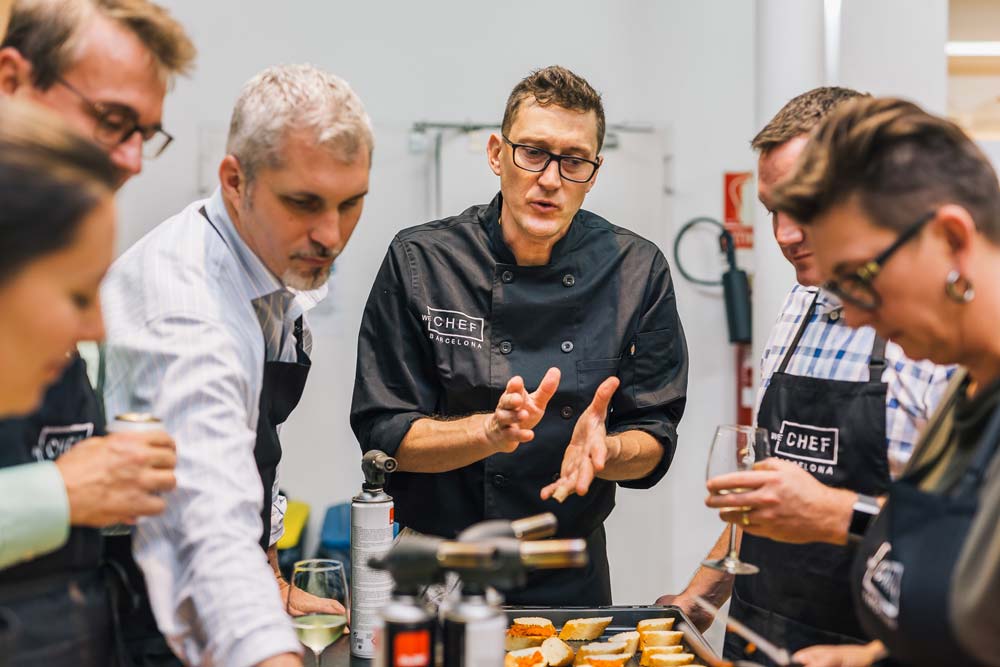
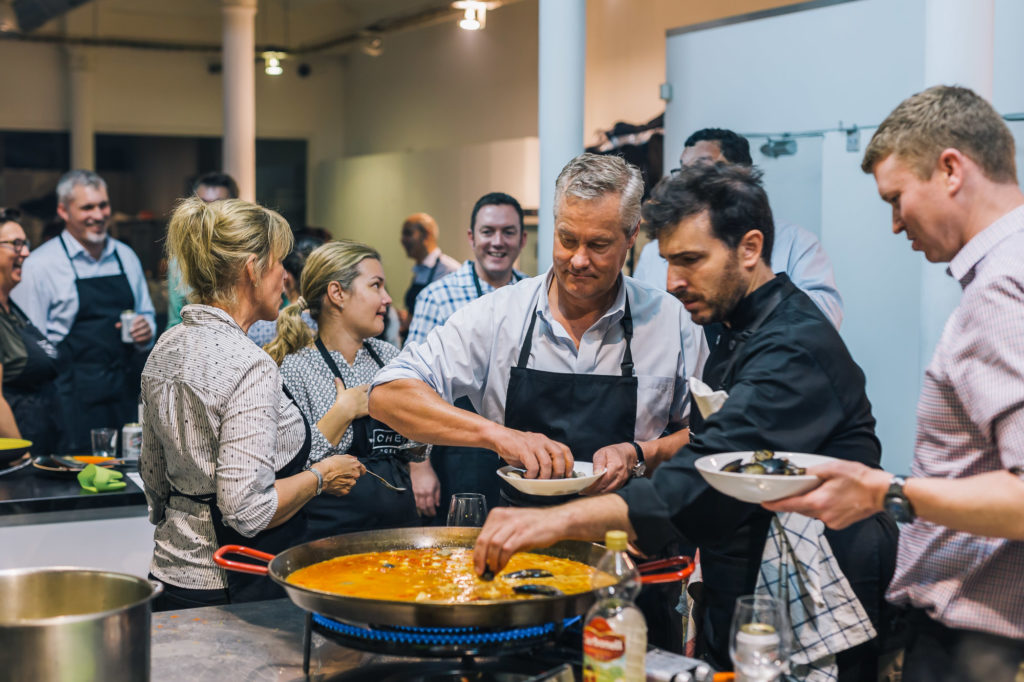
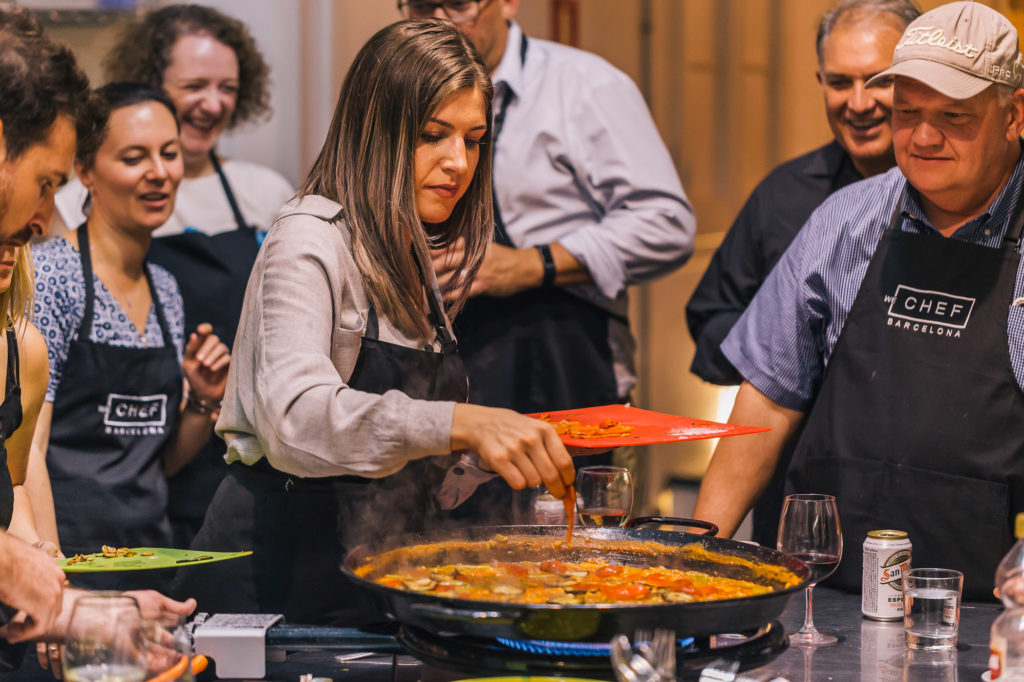
You won’t just watch the chef. You’ll chop, stir, flip and season. Tasks are divided so everyone gets involved:
- One group might be sautéeing squid for the paella.
- Another whisking eggs for the tortilla.
- Someone else blending tomatoes for the pan con tomate.
And throughout, you’re getting real tips—not just the how, but the why: why you toast the rice, why you let the paella rest, why garlic goes in cold oil.
The Best Part: Eating What You Cook
After all that effort, the moment arrives: everyone sits together at the table. Food is passed around, photos are taken, and conversations get deeper. What was just a group of tourists two hours ago now feels like a table of friends.
It’s relaxed, joyful, and surprisingly moving.
Extras That Make the Experience Even Better
Recipes You’ll Actually Use Again
You’ll leave with your apron a little stained and your phone full of photos, but also with recipes. These aren’t just copies of some cookbook. They’ve been tested in real home kitchens, with practical tips for replacing hard-to-find ingredients.
That means you can recreate the magic back home.
Check out these versions from our paella and tapas recipe collection.
Stories That Stay With You
Why is paella originally from Valencia and not Barcelona? Why is crema catalana older than crème brûlée? Good instructors weave cultural nuggets into the cooking, so you’re not just making food—you’re making sense of it.
Everyone Can Join In
Most classes are friendly to all levels. You don’t need to know how to hold a knife or what “al dente” means. And if you’re vegetarian, gluten-free or have allergies? Just mention it ahead. Recipes can often be adapted.
Local Secrets
Your instructor will likely share their favorite spots in the city. That tiny wine bar. That bakery with the flakiest croissants. That beach where locals go. These tips alone are worth the class.
Barcelona vs. The World: What Makes Cooking Here Different?
If you’ve done cooking classes in Italy or Thailand, you might wonder how this compares. Here’s what sets Barcelona apart:
The Mediterranean Palette
The ingredients here are incredible: tomatoes that taste like sunshine, fish that was still swimming this morning, herbs picked just hours ago. It’s not just what you cook—it’s what you start with that makes the difference.
The Unhurried Rhythm
There’s no rush in a Barcelona kitchen. Things simmer. Flavors deepen. The food, like the city, takes its time. This slower pace invites mindfulness—and better meals.
A Style That’s Welcoming and Warm
Locals aren’t just proud of their food—they want to share it. Chefs here welcome you with a smile and a story. You don’t just cook with them. You cook among them.
FAQs: Let’s Clear Up the Common Questions
Is this suitable for beginners? Yes! These classes are designed for real people, not professional cooks. You’ll be guided every step of the way.
Can I come with kids? Many classes welcome children (usually from age 8 and up). Just ask when booking.
What language are the classes in? Most are in English, but you’ll often hear Spanish or Catalan in the background. It adds to the vibe.
Do I need to bring anything? Nothing at all. Everything—from aprons to ingredients—is provided.
Can I really cook these dishes back home? Absolutely. The recipes are adapted for home kitchens, with tips for swapping ingredients if needed.
Ready to Stir Up Some Memories?
Here’s the truth: you can visit Barcelona and admire it. Or you can taste it.
Joining a cooking class is a way to understand the city from the inside. To step away from the tourist checklist and into a kitchen where stories are simmering, spices are toasting, and laughter echoes off the tiles.
Whether you’re a student group, a solo traveler, or here with friends, there’s a place for you around our table.
So, what are you waiting for? Apron up. Let’s cook something unforgettable.