Have you ever tasted real paella? Not the touristy version with chorizo you’ll find on every corner, but the authentic one—the kind infused with saffron aroma and rooted in Valencian tradition from the very first bite.
Barcelona has become a true culinary hotspot where both locals and visitors uncover the secrets behind this iconic Spanish dish. And we’re not talking about basic YouTube recipes. We’re talking about hands-on, professional cooking classes where techniques have been passed down through generations.
Because there’s a big difference between following a recipe… and truly understanding why rice needs exactly 18 minutes, or how to recognize the perfect sofrito.
A Culinary Experience That Turns Tourists Into Local Chefs
Paella cooking classes in Barcelona have come a long way.
In the past, they were often superficial—pre-cut ingredients, minimal involvement, and not much to learn. Pretty forgettable.
Today, the best cooking schools offer fully immersive experiences. It all starts at local markets like La Boquería or Santa Caterina, where you’ll handpick fresh ingredients. By the end of it, you’ll be able to tell high-quality saffron from a mediocre one just by its aroma.
Once you step into the kitchen, the magic begins.
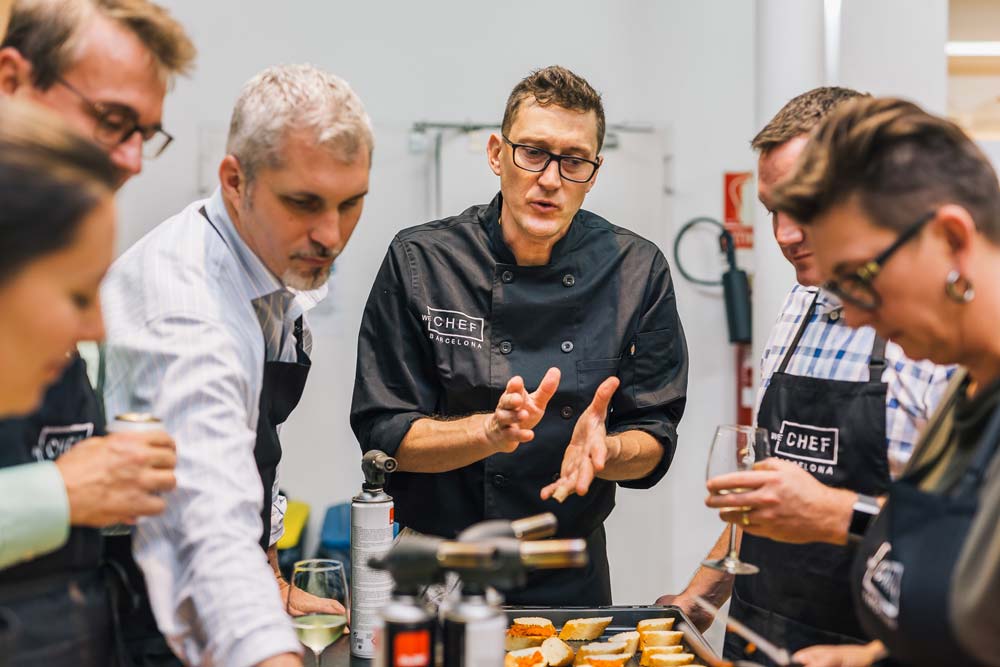
Professional chefs—many of them originally from Valencia—walk you through the story behind every technique. They’ll explain why traditional paella never includes chorizo, and why choosing the right pan size is absolutely critical.
Here’s a classic beginner mistake: stirring the rice after adding it.
It’s almost instinctive—but in Valencia, that’s practically a culinary crime. Once the rice is in, you leave it alone. No exceptions.
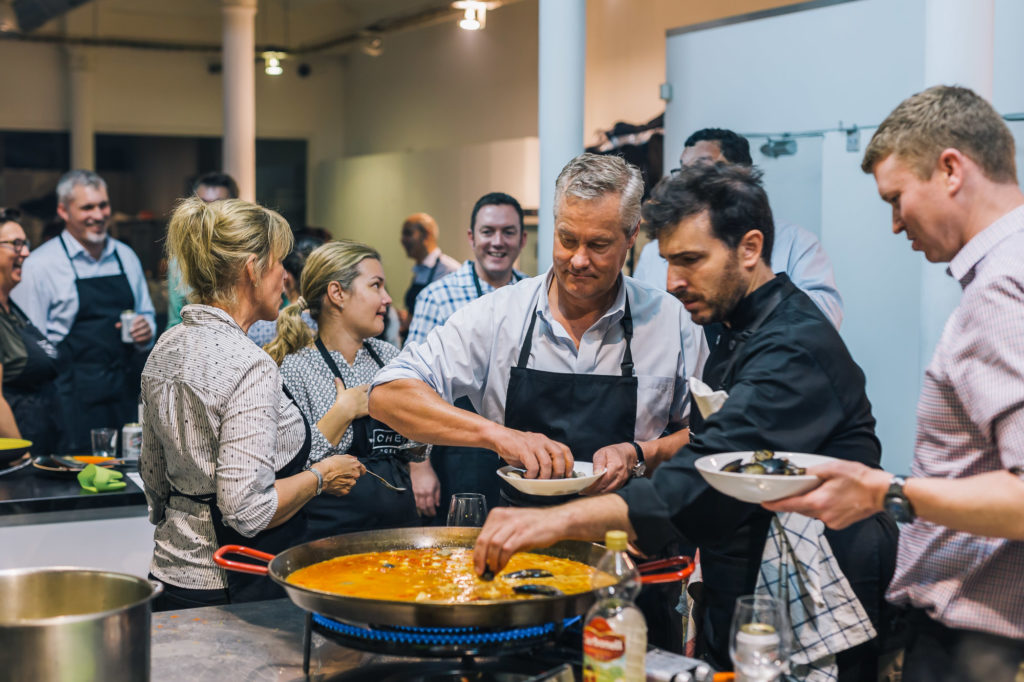
Classes usually last between 3 and 4 hours—just enough time for your paella to develop that coveted socarrat, the golden, crispy layer at the bottom that signals perfection. Meanwhile, you’ll enjoy local wines and connect with fellow food lovers from around the world.
Barcelona stands out for one key reason: variety.
From relaxed family-friendly workshops to premium experiences led by Michelin-trained chefs, there’s something for every taste and budget.
Types of Paella Classes to Match Your Style
Not all paella classes are created equal—and that’s a good thing.
Whether you’re traveling with kids or organizing a corporate event, Barcelona has options tailored to every kind of experience.
Family-Friendly Classes
Perfect if you’re traveling with children. Kids love peeling shrimp, exploring ingredients, and learning how to identify real saffron. Prices typically range from €45–€60 per adult, with discounts for children.
Corporate & Team-Building Experiences
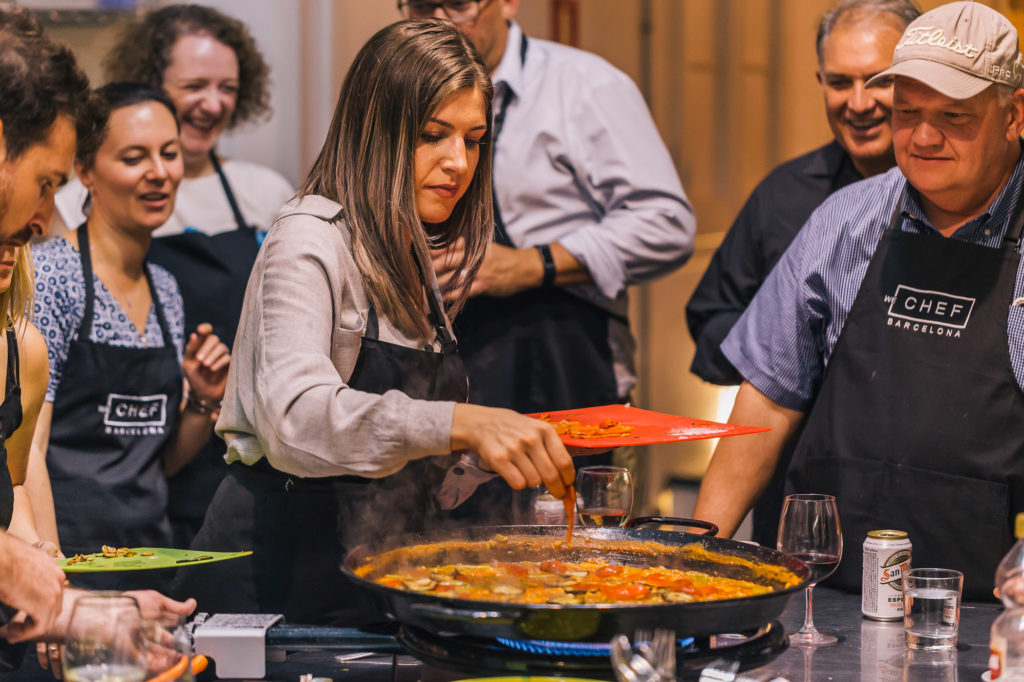
Planning a company event? Paella workshops are surprisingly effective for team building. Cooking for a group requires communication, timing, and coordination—just like any good team project.
Premium Culinary Experiences
Looking for something more refined? High-end classes often include wine pairings, artisanal cookware, and beautifully curated environments. These 4–5 hour sessions are designed for those who want a deeper gastronomic experience.
Online Paella Classes
Yes, they exist—and they actually work. Ingredients are delivered to your home, and a professional chef guides you via live video. It’s not quite the same as being in Barcelona, but it’s a solid alternative if you can’t travel.
Night Classes with a Social Twist
These combine cooking with a lively atmosphere. You’ll start in the kitchen and end the evening enjoying your paella with music and drinks. Great for groups of friends or special celebrations.
Pro tip: Morning classes tend to offer the best experience. Markets are fresher, chefs are more focused, and you’ll have the rest of the day to explore the city.
Insider Secrets You Won’t Find in Cookbooks
This is where things get interesting—the little details that separate a decent paella from an unforgettable one.
The Rice Matters (A Lot)
Bomba or Calasparra rice is non-negotiable. These varieties absorb more liquid without breaking down, keeping each grain perfectly intact.
The Right Pan Size
Rule of thumb: about 10 cm of pan diameter per person. Too large, and the rice spreads too thin. Too small, and it turns mushy.
Mastering the Sofrito
The foundation of flavor. Made with grated tomato (never blended), garlic, and red pepper, it needs at least 8–10 minutes to develop its deep, rich color. Rushing this step ruins the dish.
Authentic vs. Creative Paella
Purists stick to traditional Valencian paella: rice, saffron, olive oil, water, salt, tomato, green beans, garrofó, rabbit, chicken, and optional snails.
Barcelona, however, embraces creativity. Seafood paella with shrimp, mussels, and squid is widely popular, as are mixed and vegetarian versions.
Real Saffron Is Expensive
Expect to pay €8–€12 per gram. If it’s cheap, it’s probably not saffron. The real thing comes in deep red threads and has a distinct floral aroma.
Temperature Is Everything
The broth must be boiling when added. Cold liquid disrupts cooking and leads to uneven texture.
And one last time—never stir the rice.
Barcelona vs. Valencia: Where Should You Learn?
This debate can get surprisingly heated.
Valencia: The Authentic Choice
The birthplace of paella offers unmatched tradition. Classes often take place near the Albufera, using local ingredients and time-honored methods.
Barcelona: The Versatile Option
Easier to access, more international, and more diverse in its offerings. Classes are often multilingual, and the city’s culinary scene encourages innovation.
Price Comparison
Valencia tends to be about 15–20% cheaper, but Barcelona offers more premium and customizable experiences.
The Verdict
If you’re after pure authenticity, Valencia wins. If you want variety, convenience, and a broader cultural experience, Barcelona is hard to beat.
Common Beginner Mistakes to Avoid
Even the most enthusiastic learners make the same mistakes:
- Using low-quality ingredients (especially fake saffron)
- Choosing the wrong pan (deep pans don’t work)
- Adding too much rice (100g per person is ideal)
- Stirring the rice (don’t do it!)
- Using cold broth
- Cooking on high heat the entire time
- Lifting the lid too often
- Serving immediately without resting the paella
Let the paella rest for at least 5 minutes before serving—it makes a noticeable difference.
How to Book the Perfect Paella Class in Barcelona
Ready to give it a try? Here’s how to choose the right experience:
1. Define Your Goal
Are you looking for a fun activity or a serious cooking lesson? Traveling solo or with a group?
2. Book in Advance
Top classes fill up quickly—especially during peak season (June–September). Reserve at least 2–3 weeks ahead.
3. Check Reviews
Look at Google and TripAdvisor. Pay attention to feedback about ingredient quality, cleanliness, and instructor expertise.
4. Confirm What’s Included
Some classes include drinks, appetizers, or wine pairings—others don’t. Always double-check.
5. Consider Location
Central locations are convenient but pricier. Residential areas often offer better value.
What to Expect on the Day
- Wear comfortable clothes you don’t mind getting messy
- Closed-toe shoes are usually required
- Arrive 10 minutes early
Classes typically begin with a brief introduction and ingredient overview, followed by hands-on cooking. The entire experience lasts around 3–4 hours.
And then comes the best part: tasting your own creation.
That first bite of paella you’ve cooked yourself? It’s unforgettable.
More Than Just a Cooking Class
The experience doesn’t end when you leave the kitchen.
You walk away with practical skills, authentic recipes, and often a few new friends who share your passion for Spanish cuisine.
Because learning to cook paella in Barcelona isn’t just about food—it’s about culture, connection, and discovering Spain in the most delicious way possible.